
The Return of the Real World
Surprised by JoyThis thread traces Lewis's changing relation to ordinary reality, from pessimistic rejection and aesthetic escape toward acceptance and obedience.
increasing Bearing strength in each event
 decreasing
Bearing strength in each eventdecreasingLife as an Unwelcome Fact
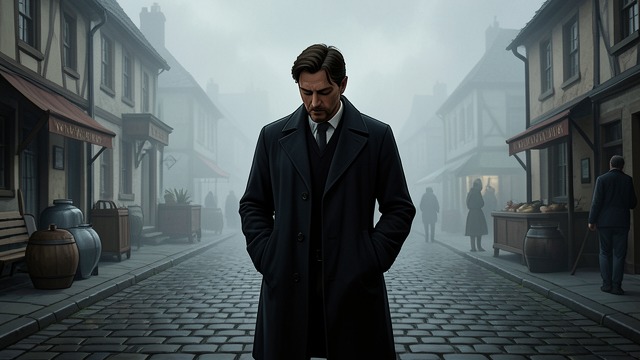
Life as an Unwelcome Fact
Pessimism and Resistance
Lewis believed the universe was defective and resented being brought into existence without consent. His preference for avoiding pain could become a judgment against life itself.
A Temperamental Pattern
He later connected this pessimism with a broader dislike of disturbance and interference. The desire for nonexistence expressed a wish to avoid discomfort more than a settled conclusion about life's value.
A Treaty with the War
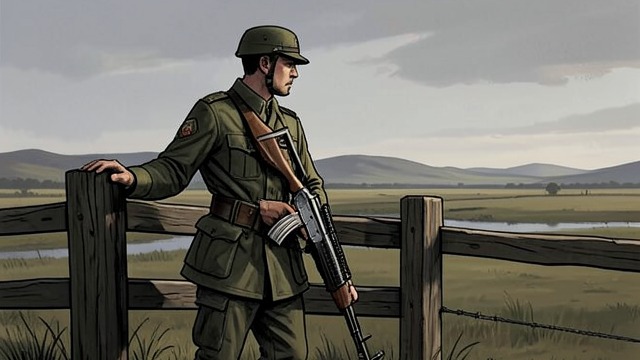
A Treaty with the War
Duty Deferred but Accepted
Lewis decided he would serve when his time came but would not allow the war to consume his present attention. He set a frontier between obligation and anticipatory anxiety.
Reality Limited
He understood the stance as a way of preserving his life before service, not a denial that war was real. The decision reflected both self-protection and a willingness to meet a future duty.
The Army's Honest Misery
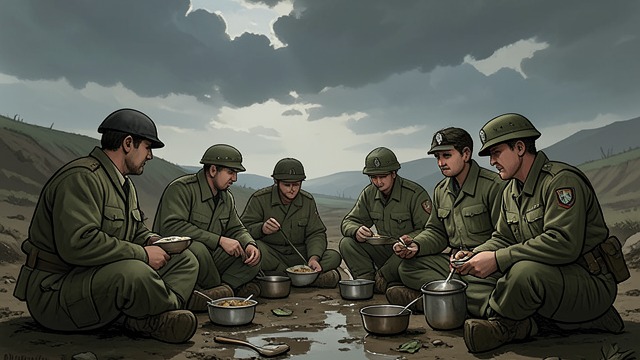
The Army's Honest Misery
No Pretense of Pleasure
Lewis found army life detestable, but no one insisted that he ought to enjoy it. Openly acknowledged hardship allowed camaraderie to develop more readily than the school culture's disguised coercion.
Fellow Sufferers
Shared danger and discomfort created temporary bonds across differences in age and background. Lewis found many military companions kinder than the privileged boys he had known at school.
Acceptance of the Whole

Acceptance of the Whole
The Universe as Necessary
Lewis's engagement with idealism weakened his habit of condemning the whole of reality. If existence was necessary, praise or blame directed at the totality seemed incoherent.
A Stoical Peace
He tried to accept the universe without reservations. The position brought peace and ended his earlier hope of negotiating a private treaty with reality.
Surrender Without a Treaty

Surrender Without a Treaty
The Claim of Reality
Lewis's abstract acceptance became a personal encounter that demanded obedience. He could no longer preserve an inner zone exempt from reality's claim.
Freedom Through Submission
The surrender felt frightening because it removed his limited-liability defenses. Lewis later understood that the demand he resisted had freed him from the isolation of insisting that he belonged only to himself.
Lewis's adolescence
As Lewis awaited military service
From 1917 to 1918 in military service
During Lewis's New Look at Oxford
At Lewis's theistic conversion in 1929
